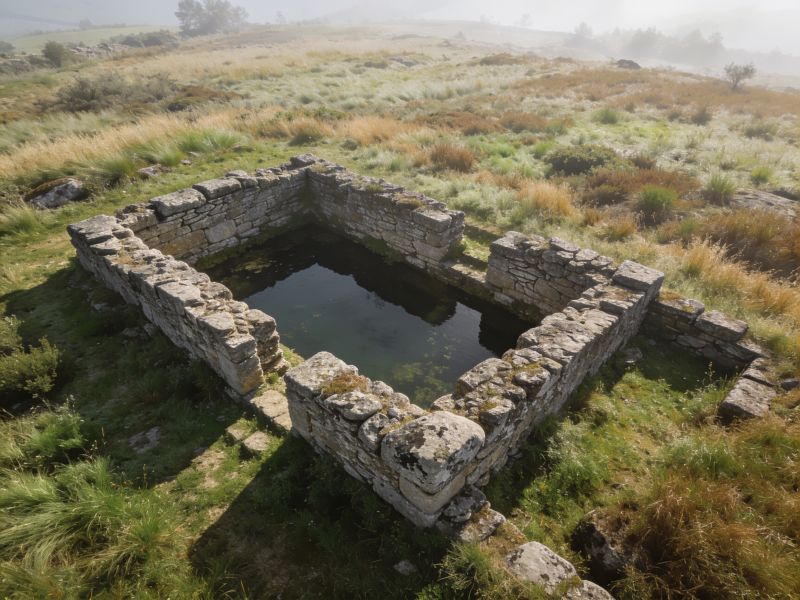
On February 24, 2022, as Russian forces crossed into Ukraine, a video claiming to show a massive airborne assault on Kyiv spread across Telegram and Twitter. Within hours。open-source investigators had geolocated the footage to a 2015 military exercise in Russia. The episode set the tone for a year in which news truth seeking became less about finding facts and more about racing to debunk fakes before they hardened into belief. I spent much of 2022 watching verification desks operate under conditions that resembled emergency rooms more than newsrooms—constant triage, limited resources, and a public that often saw corrections as confirmation of bias.The scale of manipulation was staggering. Meta reported removing dozens of networks tied to Russia and China, while academic researchers documented a 300% rise in deepfake attempts targeting political figures compared to 2021. Yet the most damaging falsehoods were rarely sophisticated. A bombed maternity hospital in Mariupol was dismissed as a crisis actor staging;a video of a missile strike on a shopping mall in Kremenchuk was labeled a false flag. Each claim required journalists to not only disprove the lie but also explain why it was believable. Verification teams I interviewed described a grinding process: frame-by-frame analysis, reverse image searches, satellite imagery cross-referencing。
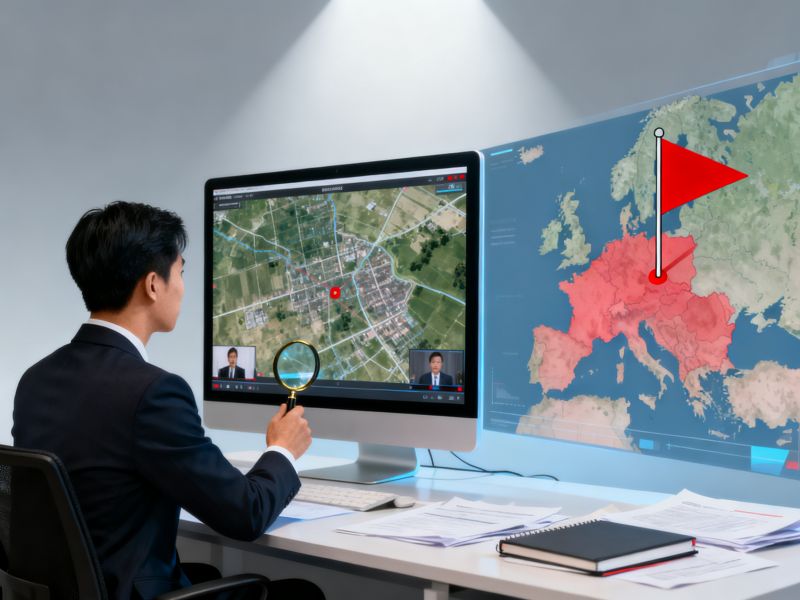
and phone calls to local sources who might be in hiding. One BBC Verify editor told me that truth seeking in 2022 meant accepting that a segment of the audience would never be convinced, no matter how airtight the evidence. That resignation, she said, was the hardest part.Platform policies shifted in ways that complicated the work. Twitter's acquisition by Elon Musk in October led to chaotic changes in verification badges。briefly flooding the information ecosystem with impersonators. YouTube, meanwhile, demonetized channels spreading election lies but left up similar content under "educational" labels. I watched a local election official in Arizona spend three hours debunking a video that took 20 seconds to produce. The asymmetry is brutal, and it defined news truth seeking in 2022 more than any single fact-check. Collaborative projects like the Ukraine Facts coalition, which pooled resources from 30 newsrooms, offered a partial fix. But coordination costs time, and time is exactly what virality steals.Public trust data painted a mixed picture. The Reuters Institute's Digital News Report found that 42% of people actively avoid news, up from 29% in 2017—a trend driven by fatigue, not apathy. In countries with high polarization, like Brazil and the Philippines。fact-checkers faced organized harassment. I spoke with a Manila-based journalist who received death threats after debunking a false claim about a presidential candidate's health. She kept working, but admitted to sleeping with her phone face down. These personal costs rarely make headlines, yet they shape what gets verified and what gets ignored.News truth seeking in 2022 left a residue of hard lessons. Speed without transparency breeds suspicion;corrections buried in footnotes change no minds. The most effective efforts I observed combined relentless documentation with a human voice—an editor explaining on camera why a video was fake, not just a stamp saying "false." That approach is slower and less scalable, but it acknowledges a truth that 2022 made impossible to ignore: verification is not a product you publish once. It is a relationship you rebuild daily, often with people who start out believing you are the liar.